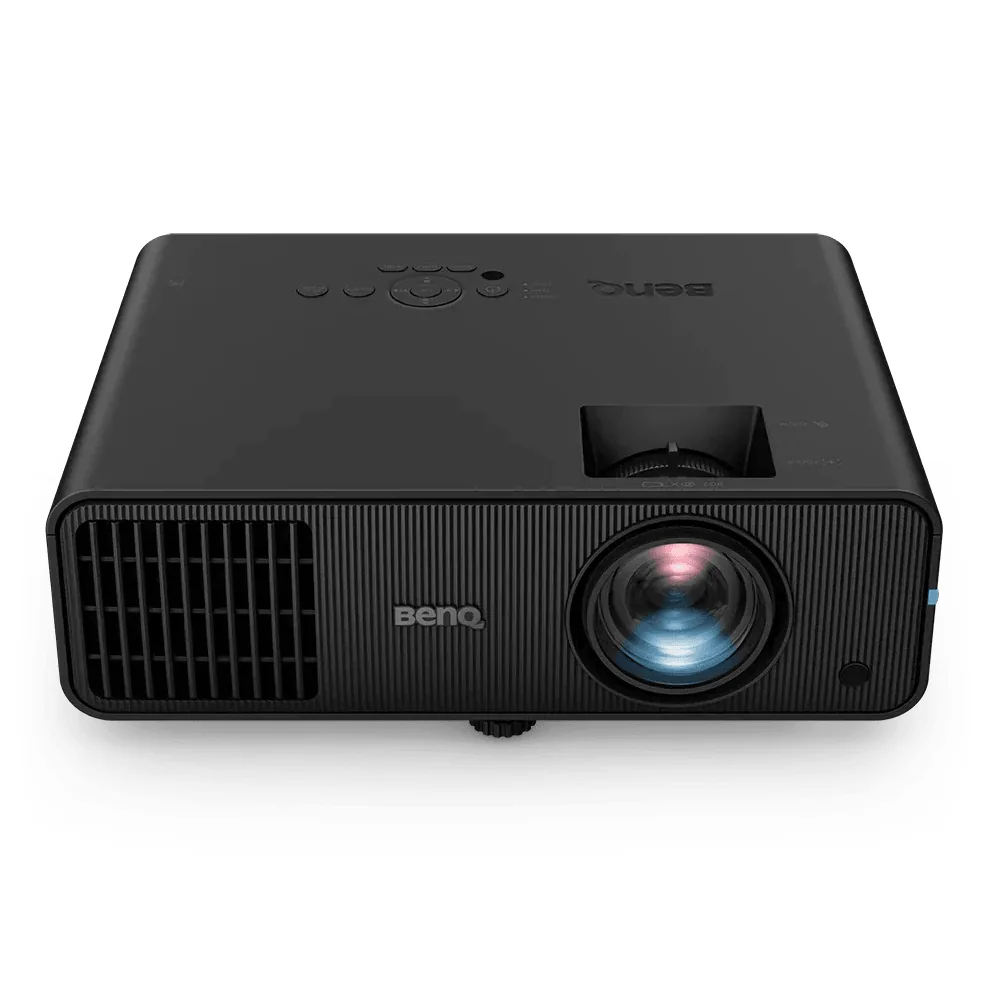
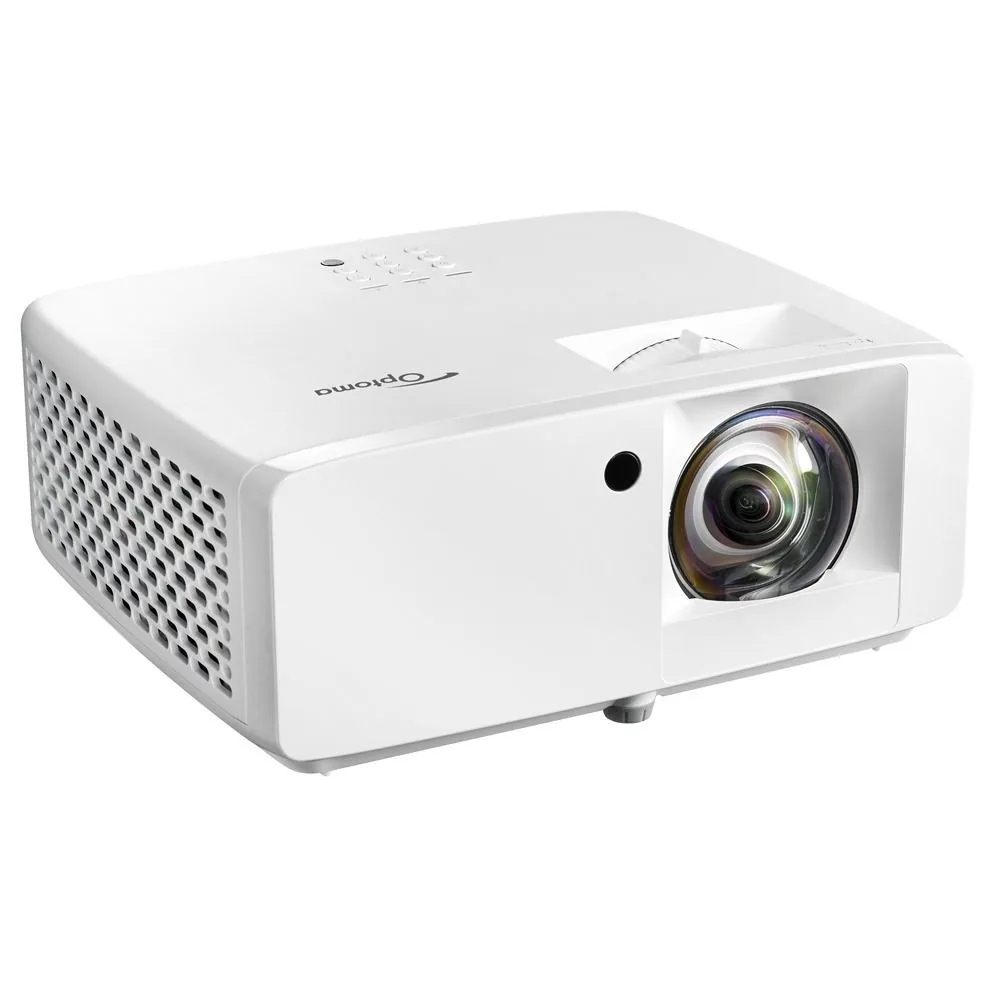
The difference that matters
The Optoma GT2000HDR throws a given image from closer (ratio 0.496 against 0.72). The Optoma GT2000HDR lists higher resolution (1080p). The Optoma GT2000HDR uses a laser light source; the other uses a led.
Side by side
| Specification | BenQ LW600ST+ | Optoma GT2000HDR |
|---|---|---|
| Brightness | 3,200 lm | 3,500 lm |
| Resolution | WXGA (1280 × 800) | Full HD 1080p (1920 × 1080) |
| Native aspect | 16:10 | 16:9 |
| Throw ratio | 0.72–0.87:1 | 0.496:1 |
| Distance for a 10.5 × 8 ft 4:3 screen | 9′ 1″ | 6′ 11″ |
| Brightness on that screen | 32 fL | 31 fL |
| Light source | Led | Laser |
| Rated life | 30,000 h | 30,000 h |
| Zoom | 1.2× | Fixed |
| Lens shift | — | — |
| Input lag | About 33.4 ms (1080p 60 Hz) | — |
| Price seen | $1,199 | $1,199 |
Highlighted rows differ. Figures come from each product's sources; room depth, distances and brightness are FOREference calculations using the same method for both.
Which should you choose?
BenQ LW600ST+
Choose the BenQ LW600ST+ if you prefer its maker, seller or ecosystem — the published figures do not favour it.
Optoma GT2000HDR
Choose the Optoma GT2000HDR if you need to mount it close to the screen or image detail matters most.
Before you buy either
- Check the room: room size calculator and ceiling height calculator.
- Confirm what each seller includes — accessories, software trials and bundles change often.
- Read the limitations on each full reference page.
FOREference compares published specifications; we have not tested these products side by side. How we work · Disclosure