For a typical 10.5 × 8 ft (4:3) screen, a 0.5 throw projector with a 16:9 frame sits about 7 ft from the screen, and a 4,000-lumen model delivers about 36 foot-lamberts — good in a dim room.
1. Throw ratio: where it can hang
Throw ratio = distance ÷ image width. Short-throw projectors hang above or just in front of the golfer, out of the swing and the shadow. Because most simulator screens are 4:3 and most projectors are 16:9, the projector's full frame is wider than the screen — which pushes it further back.
| Throw ratio | Distance to fill a 10.5 × 8 ft 4:3 screen (16:9 projector) |
|---|---|
| 0.5 | 7′ 1″ |
| 0.69 | 9′ 10″ |
| 0.83 | 11′ 10″ |
| 0.9 | 12′ 10″ |
| 1.08 | 15′ 4″ |
2. Brightness on your screen
| Rated lumens (16:9) | On a 10.5 × 8 ft 4:3 screen | Verdict |
|---|---|---|
| 3,000 | 27 fL | Dark room |
| 3,500 | 31 fL | Dim room |
| 4,000 | 36 fL | Dim room |
| 5,000 | 45 fL | Some ambient light |
| 6,000 | 54 fL | Tolerates ambient light |
3. Native aspect vs screen shape
A 16:10 projector puts 83% of its frame on a 4:3 screen; a 16:9 projector puts 75%. On a square screen those fall to 63% and 56%. See screen aspect ratios.
4. Laser or lamp
Laser light sources are typically rated around 20,000–30,000 hours and hold brightness better; lamps are cheaper up front but dim and need replacing. At 2 hours a day, 20,000 hours is over 27 years.
Products mentioned
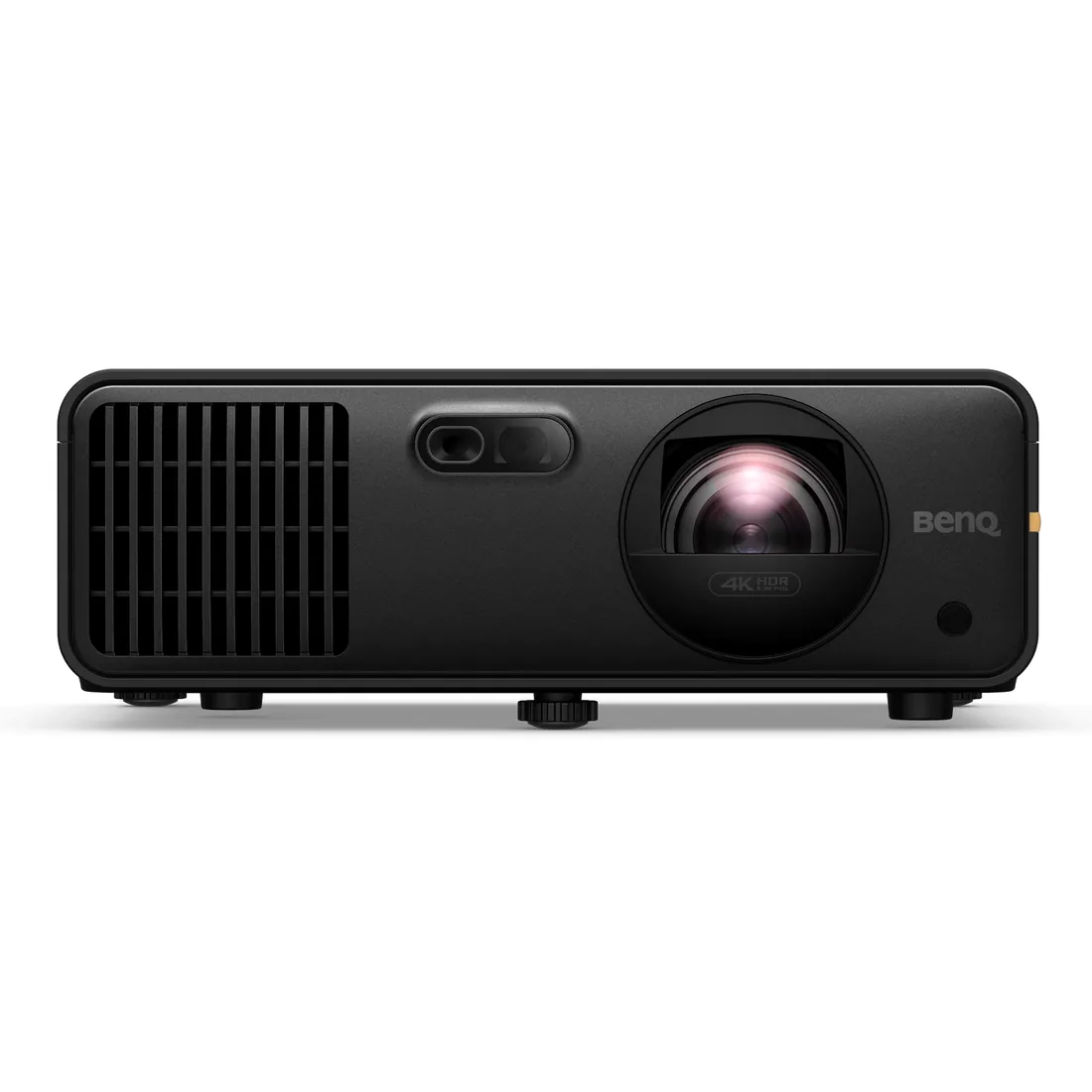
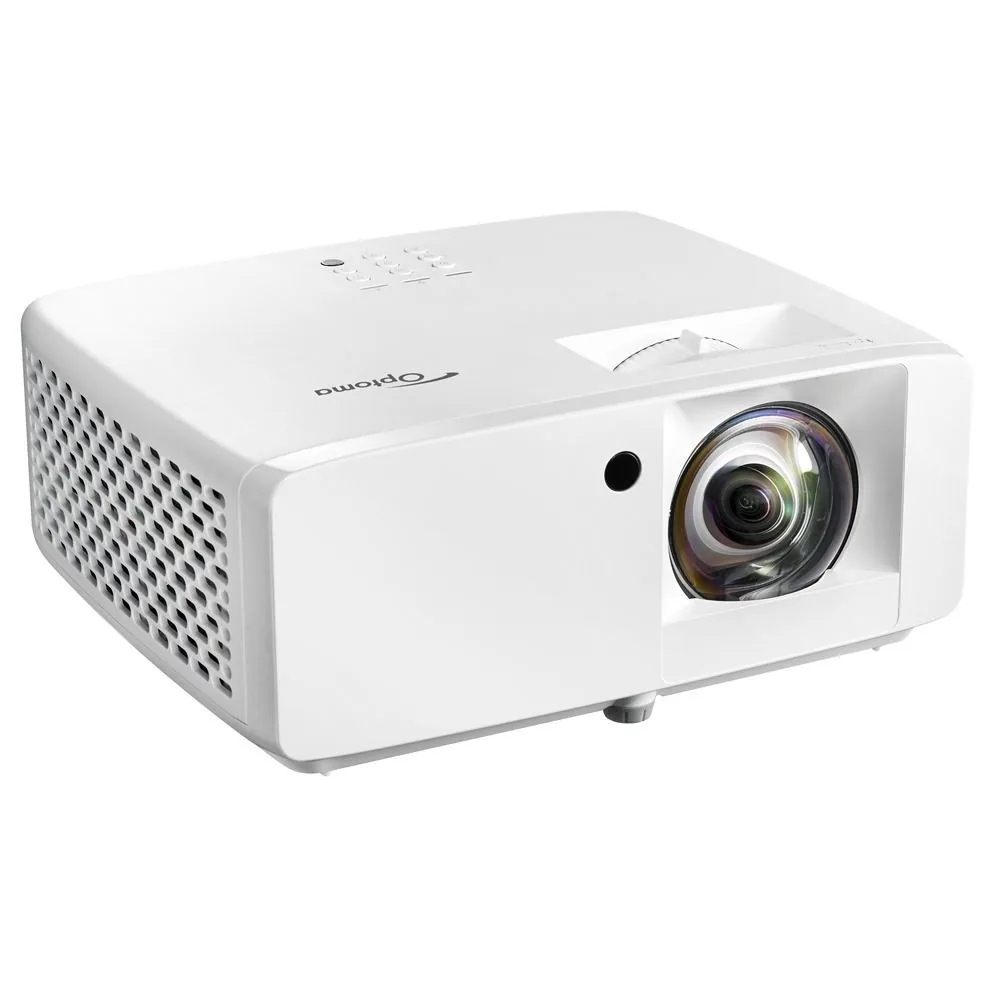
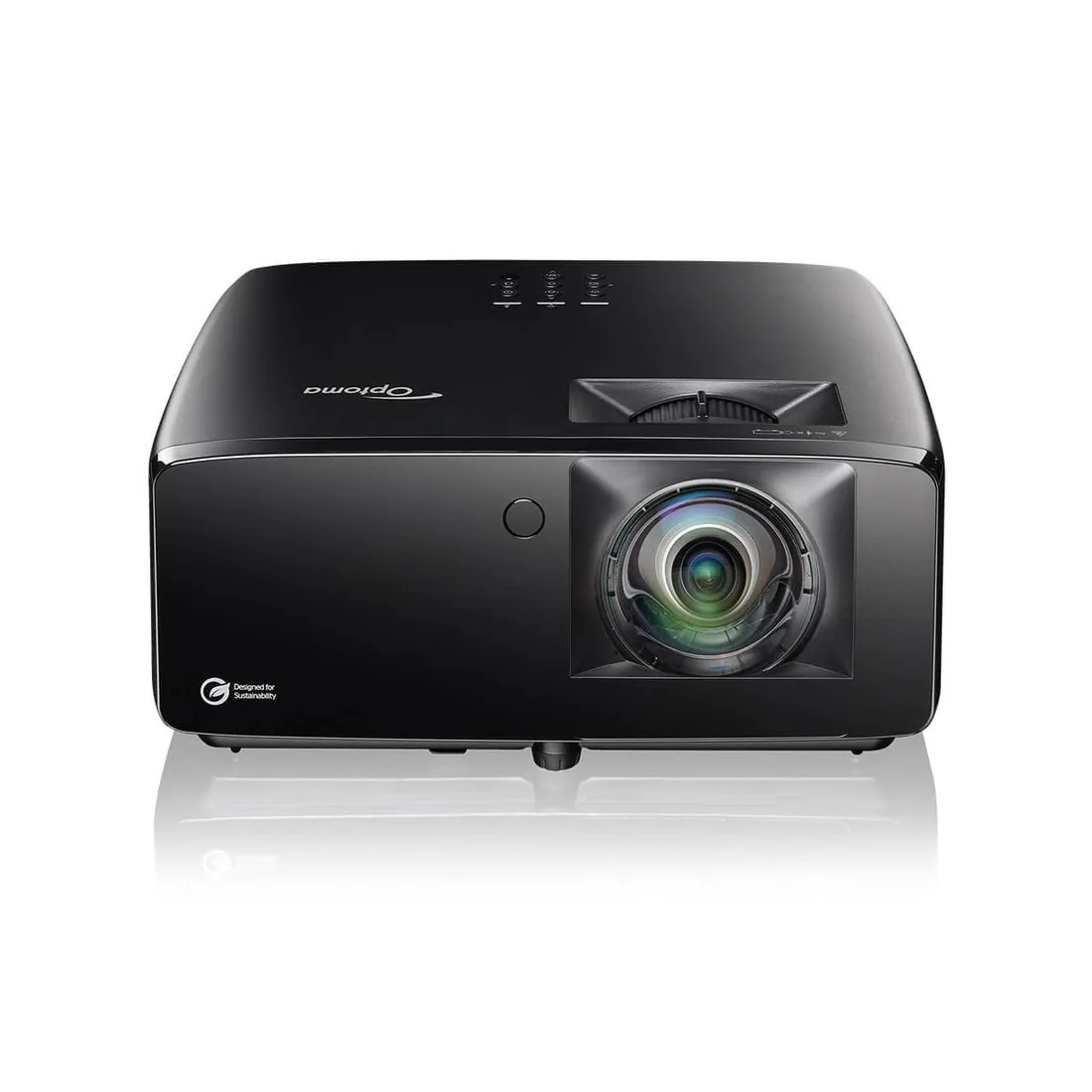
Figures marked as FOREference calculations show their working; product figures come from the sources on each product page. How we work